GB casino game guides: compare slots, table games, and providers
Choosing casino games is easier when you can compare how they work, what they demand from a player, and which providers supply them. GB casino game guides help readers assess slots, table games, and live dealer options alongside practical details such as licensing, payment methods, and bonus rules. A clear comparison should explain features without promising wins: every casino game involves risk, and outcomes are never guaranteed. Casino guides covering top uk casinos not on gamstop can also highlight how licensing and player protections vary across operators. Use game guides to make informed choices, set personal limits, and check whether a casino and its terms suit your circumstances before depositing.
What players need to understand before they start
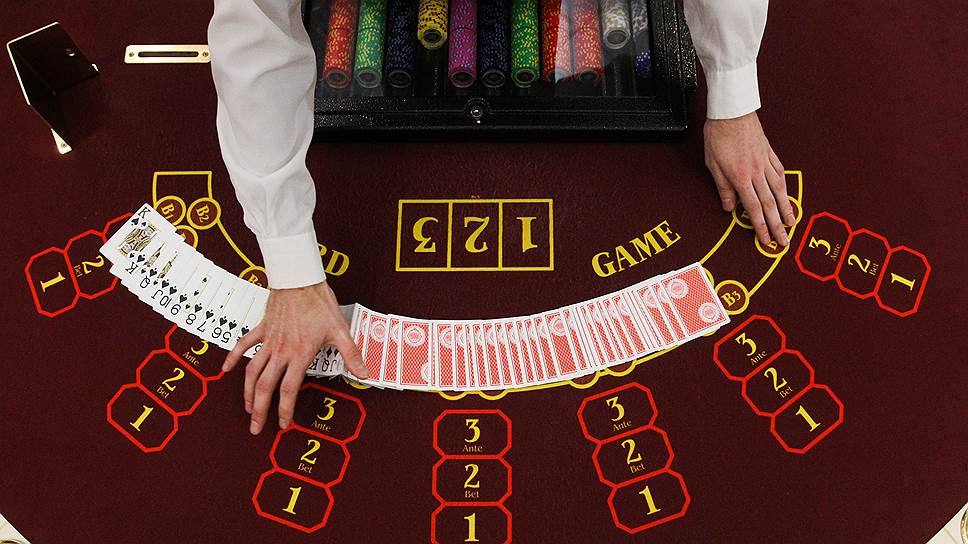
Casino games generally fall into distinct formats, each with different rules and rhythms. Slots use reels, symbols, and feature rounds, with outcomes determined by the game’s design and random number generation. Table games such as blackjack, roulette, and baccarat involve established rules and, in some versions, decisions that affect how a round unfolds. Live dealer games bring a streamed table and a human dealer into the online experience. Comparing these categories means looking beyond appearance: understand the rules, pace, minimum stakes, and how the game displays its return-to-player information.
Providers matter because they create the games, while casinos decide which titles to offer and under what account, payment, and promotional conditions. A guide can help identify differences in interface, accessibility, volatility, and available features, but it cannot predict a particular result. Before play, check the applicable licence and local legal requirements, read bonus conditions carefully, and consider whether self-exclusion or other limits are relevant to you. If you have chosen to self-exclude, do not seek another gambling service as a way around that decision.
How to compare casino games and begin responsibly
A careful comparison starts with your preferences and boundaries rather than a search for a supposedly guaranteed outcome. Review the game information and casino terms first, then decide whether the format and cost fit your plan. The following steps provide a practical way to assess a casino game experience without treating play as a source of income.
- Choose a format: Compare slots, table games, and live dealer options by rules, pace, and interaction.
- Check the provider: Read the game details and confirm the title is available through the casino you are considering.
- Review the rules: Look for minimum stakes, feature explanations, and any published return-to-player information.
- Assess the casino: Check licensing, account requirements, payment methods, and withdrawal terms before depositing.
- Set boundaries: Decide on a time and spending limit in advance, and stop when either limit is reached.
- Comparing game formats helps clarify what kind of experience to expect.
- Provider information can explain differences in design and game features.
- Checking terms early can prevent misunderstandings about bonuses and withdrawals.
- Pre-set limits support more controlled entertainment choices.
Practical details for comparing providers and casino terms
When comparing providers, consider the features that shape actual play rather than relying on a title’s theme alone. For slots, review the volatility description, paylines or ways to win, bonus-round rules, and whether the game offers adjustable stakes. For table games, check the ruleset, available betting options, and whether the version is automated or dealer-led. A casino review can add useful context by examining the operator’s licence, payment methods, withdrawal procedures, and bonus rules. These details are separate from the provider’s game design, so assess the casino and the individual title as two connected but different choices.
- Game rules: Read how rounds work, including feature triggers and any table-specific decisions.
- Provider details: Compare interface, accessibility, and the game information supplied by its developer.
- Bonus conditions: Check eligible games, wagering requirements, time limits, and maximum cash-out clauses.
- Payments: Review deposit options, withdrawal methods, processing times, and any fees or limits.
Independent casino reviews can make these checks easier to follow when they explain their criteria and distinguish verified information from promotional claims. A useful comparison examines licensing, payment methods, terms, bonus rules, and public feedback instead of ranking a site on its welcome offer alone. Offers can change, and a bonus is not free money: restrictions may apply, and wagering can increase the amount of play required before a withdrawal is available. Read the latest terms directly before opting in, and avoid depositing more than you can afford to lose simply to qualify for an incentive.
Key benefits of informed game comparisons
A well-organized casino guide helps readers understand the differences between game categories before they commit time or money. It can explain why a slot’s volatility affects the pattern of results without implying that a win is due, or show how blackjack rules vary between versions. Clear provider information also makes it easier to compare interface and features, while practical casino checks address the separate questions of licensing, payments, and account terms. The aim is not to identify a risk-free game—none exists—but to support a more informed decision and encourage readers to treat casino play as paid entertainment.
- Clearer expectations: Game guides outline rules, pace, and features before play begins.
- Better comparisons: Provider details help distinguish one game’s design from another’s.
- More transparent checks: Casino reviews can explain licences, payment conditions, and bonus restrictions.
- Responsible planning: Limits and self-exclusion information help readers identify appropriate safeguards.
These benefits are most useful when information is current and presented with appropriate caution. A provider’s reputation does not guarantee a particular outcome, and a casino’s promotional offer does not remove the house edge or financial risk. Check that game descriptions are accurate, confirm rules in the game itself, and revisit casino terms when they change. If gambling is causing distress or affecting finances, pause and seek support rather than relying on game comparisons to solve the problem.
Trust, licensing, and safer casino play
Trust begins with confirming who operates the casino and which regulator, if any, oversees its gambling services. A licence should be checked against the regulator’s own records where possible; a logo or claim on a website is not sufficient proof by itself. Review the operator’s identity, age and identity verification requirements, privacy information, complaint process, and payment conditions. Also look for clear explanations of game rules and responsible gambling tools. These checks do not eliminate risk, but they can help identify whether an operator provides transparent information and whether its services are lawful for your location.
Self-exclusion is an important boundary, not an obstacle to work around. If you have self-excluded from gambling, respect that choice and do not use a casino outside the scheme to continue playing. People comparing UK casinos not on GamStop should pay particular attention to the legal status of the operator, the protections available, and the implications of choosing a service outside a UK self-exclusion system. Do not treat such a service as a substitute for support. If you are worried about your gambling, stop, block access where possible, and contact a qualified support organization or trusted person.

Why choose a careful casino game guide
A useful GB casino game guide connects the game itself with the conditions under which it is offered. It should help you compare slots, table games, and live dealer formats, understand provider differences, and check the operator’s licensing and payment terms. Prefer explanations that disclose their review criteria, distinguish factual checks from opinion, and avoid claims that a game or bonus guarantees a win. Before deciding, confirm that gambling is legal where you live, read the current casino rules, and consider whether the financial and personal risks are acceptable to you.
Use a comparison as a starting point, not an instruction to gamble. Select a game only if you understand its rules and can keep play within limits you set beforehand. Never borrow, chase losses, or use a bonus as a reason to exceed your budget. If those boundaries are difficult to maintain, do not deposit; consider self-exclusion and seek appropriate help instead. Informed choices include knowing when not to play.